AI Suisse
Jürgen Schmitz · Wil SG, Switzerland

AI solutions that hold up in production.

25 years of IT operations and service management, now delivered with AI agents: from idea and platform to monitored production.

  • ~4 weeksto a production-ready studio platform
  • 170 → 1.1 pxcentering error, Astrotool vs. PIPP
  • 25+ yearsIT operations, ITIL, ServiceNow

Projects

Every project is or was running for real. Built with agentic AI tools (Claude Code, Codex, Gemini), directed and reviewed by me.

Legacy software · Reverse engineering

Rebuilding abandoned software

PIPP 2.5.9, a widely used astrophotography tool, has had no updates since January 2017 and causes problems on Windows 11. Its source code was never published.

An AI agent analysed the program statically through an MCP server for reverse engineering (rea): structure, options, file formats. The feature set was then rebuilt independently, without third-party code, and improved where it mattered. Licence: GPL-3.0.

  • Windows app (Tauri 2) and web version, all processing local
  • New eclipse mode, time-lapse as MP4, colour cameras
  • Totality in eclipse mode aligned on the lunar limb, automatic HDR images from exposure brackets
  • New in version 0.11: camera RAW photos (incl. NEF, CR2, CR3, ARW, DNG)
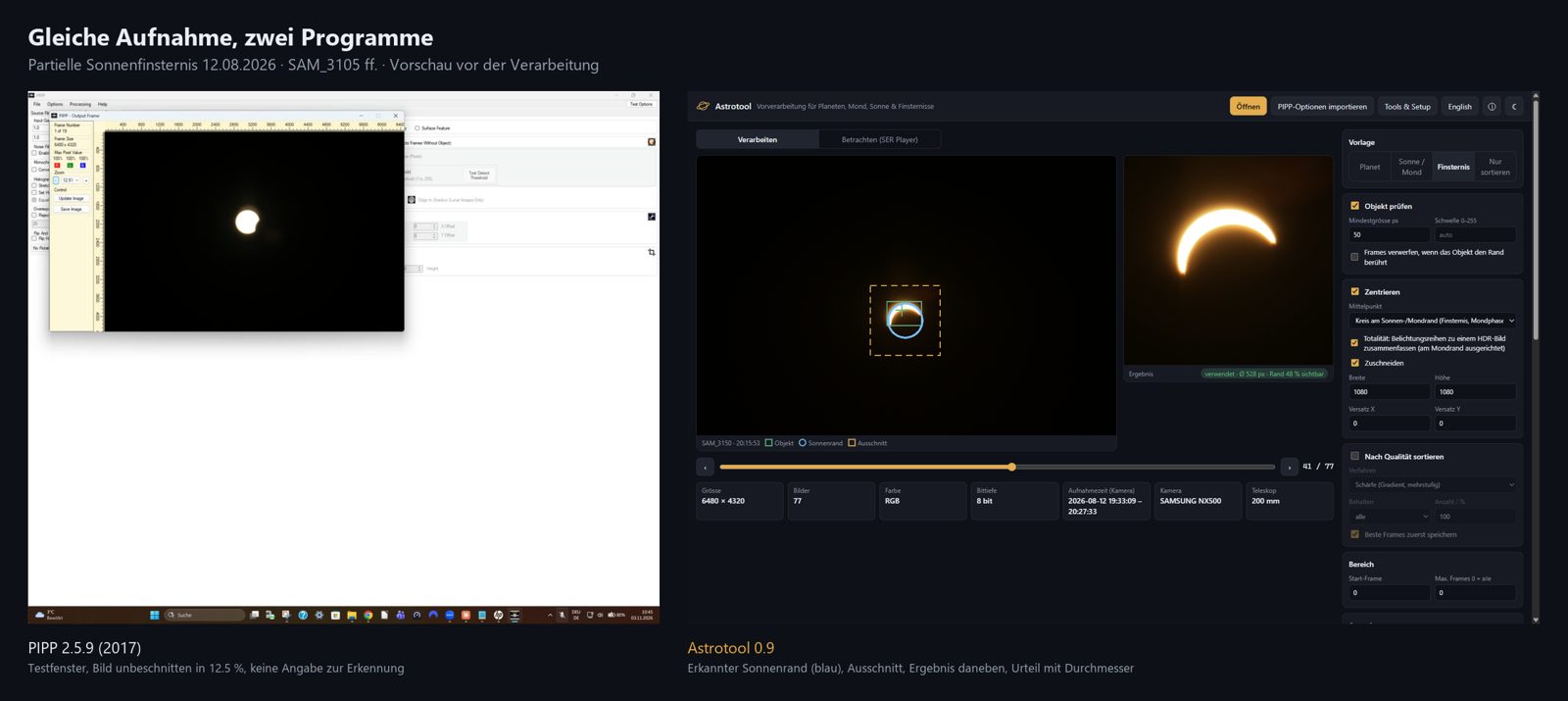
  • Measurably better than the original (see figure)

The same approach works for business software whose vendor no longer delivers.

Status: version 0.11 (November 2026), under active development.

TypeScript · Tauri 2 · FFmpeg · rea (MCP) · Ghidra
Showcase PIPP → Astrotool
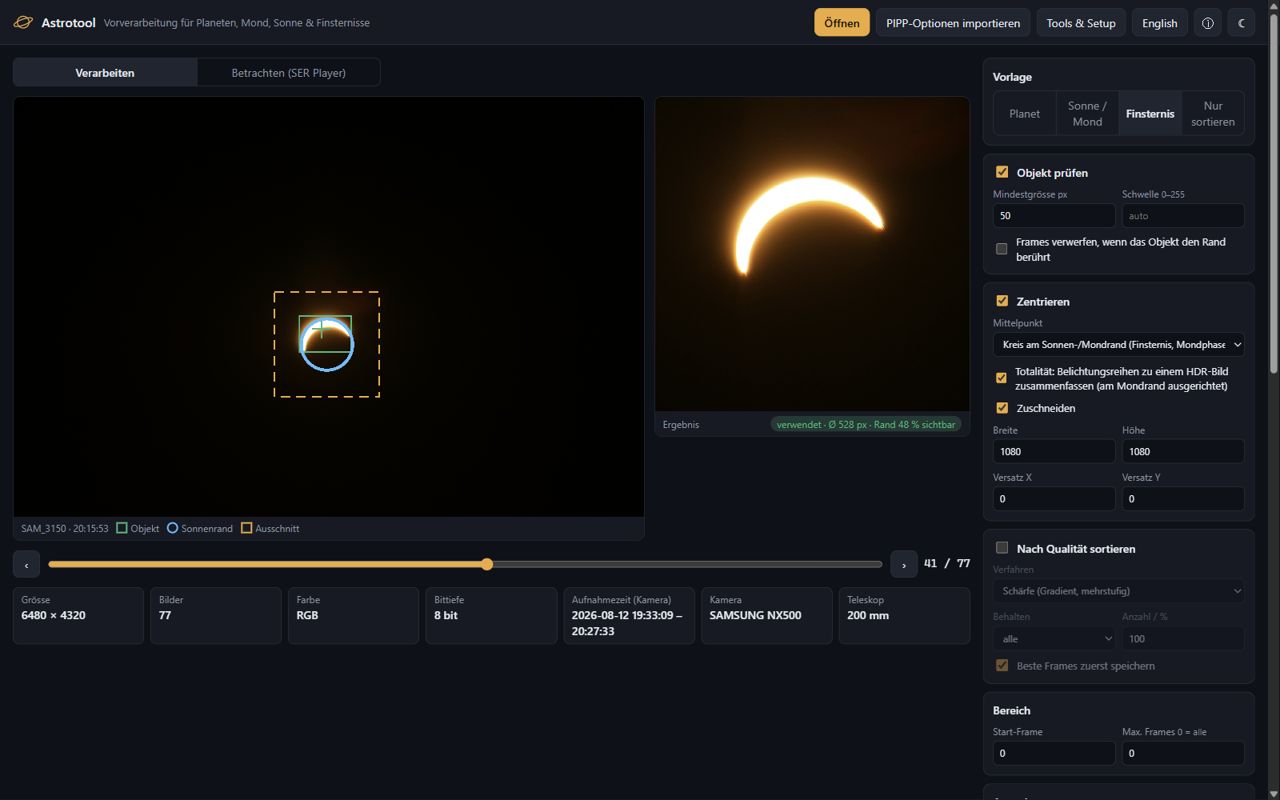
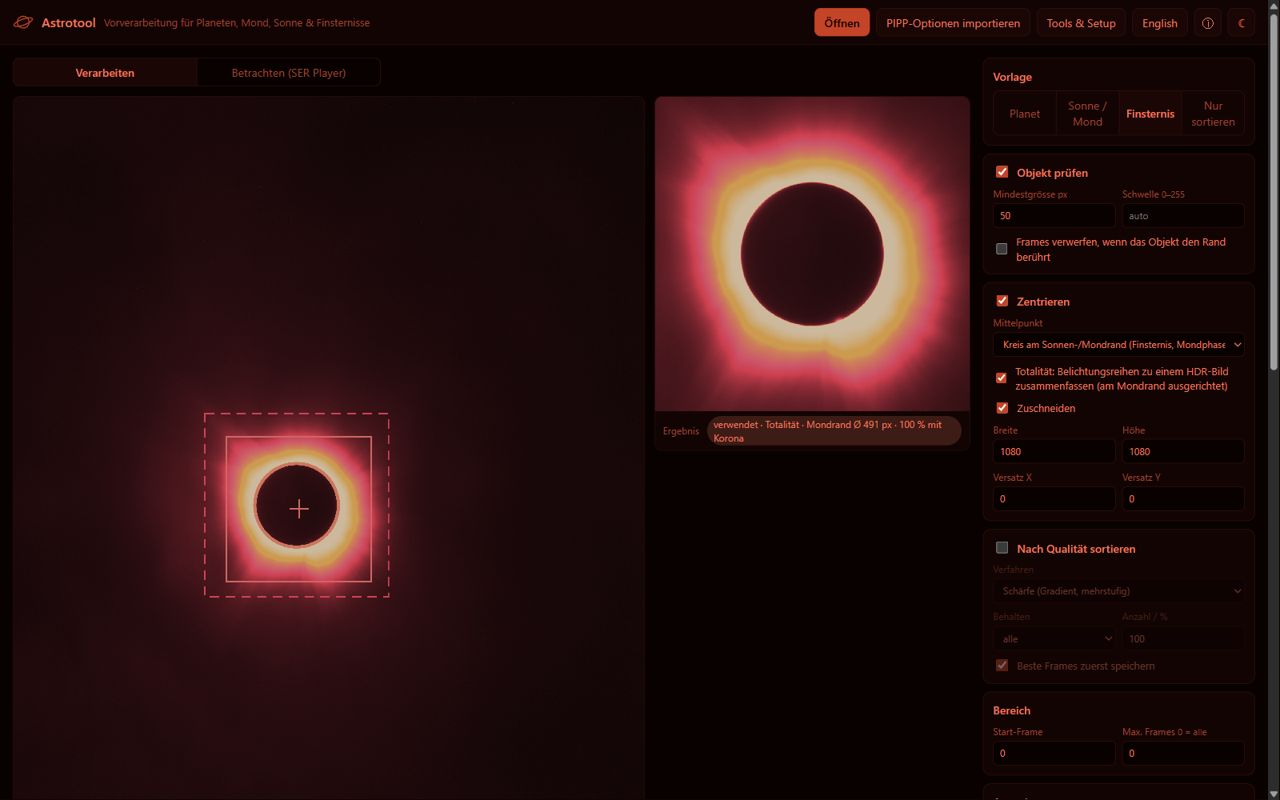
Interface comparison of PIPP 2.5.9 and Astrotool with the same eclipse recording
Same recording, two programs: PIPP 2.5.9 (2017) on the left, Astrotool with detected solar limb and result on the right.
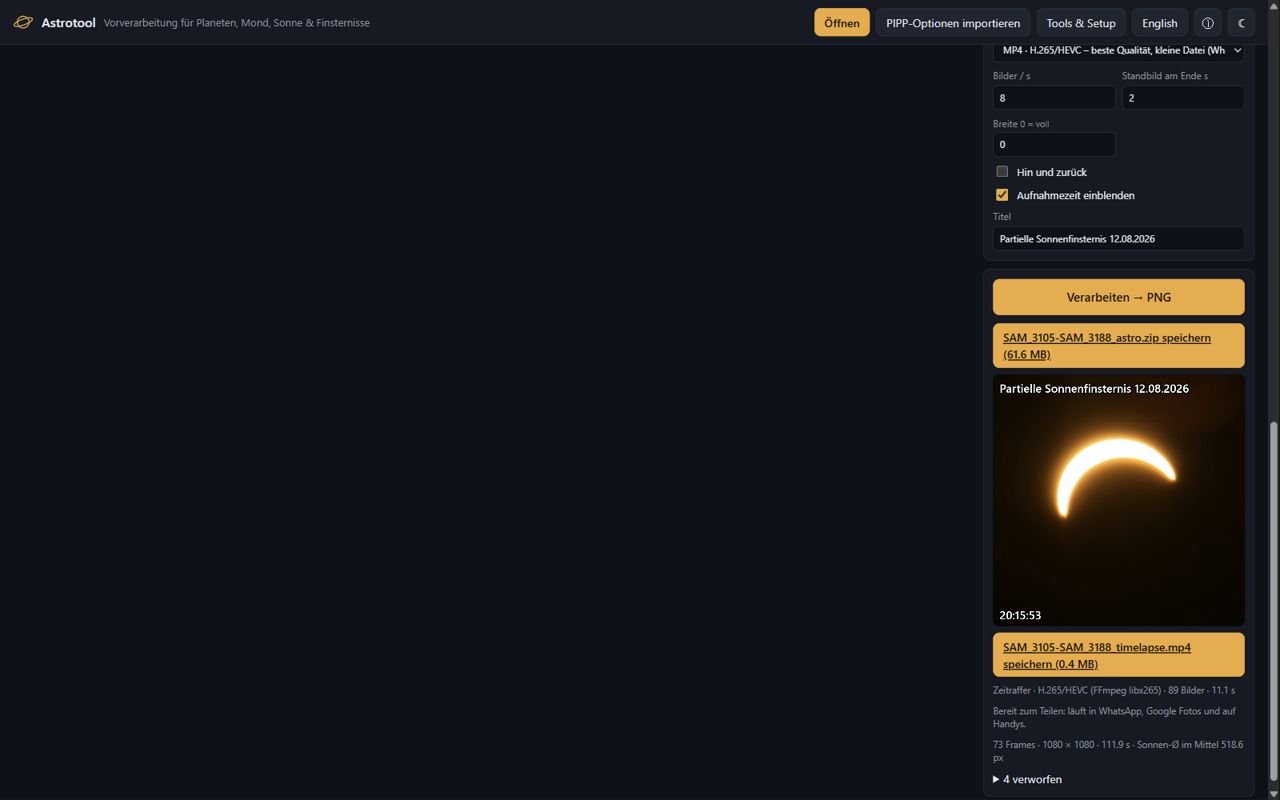
Partial solar eclipse 12 Aug 2026, my own recordings, time-lapse from Astrotool
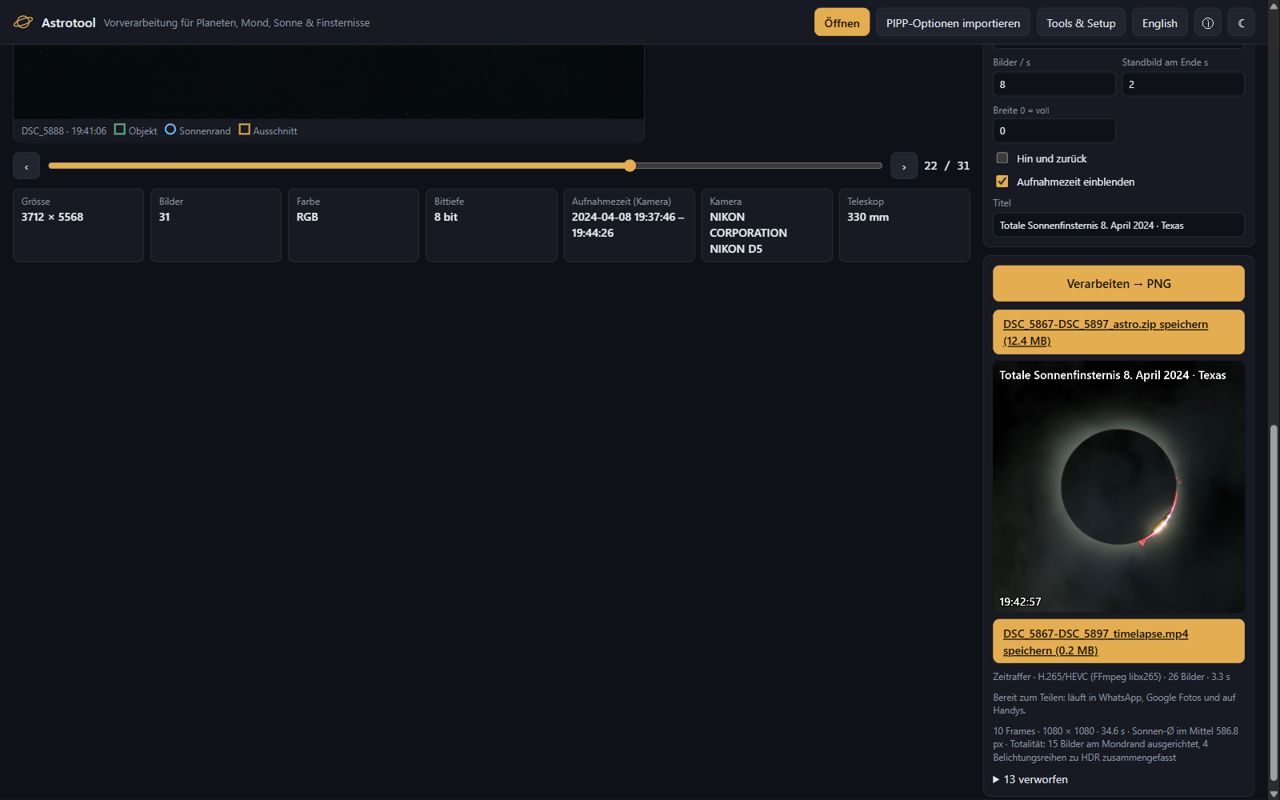
Total solar eclipse 8 Apr 2024: aligned on the lunar limb, HDR from exposure brackets
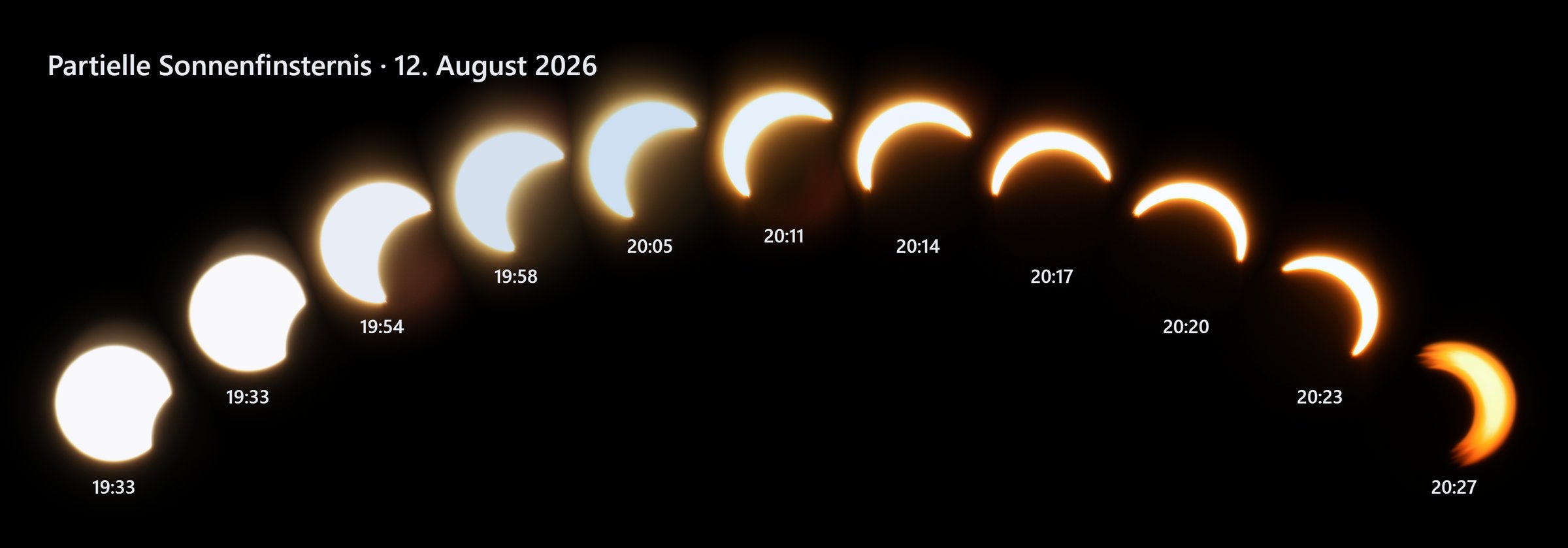
Phase arc of the partial solar eclipse of 12 August 2026: eleven crescents from 19:33 to 20:27 with capture times
Something PIPP cannot do: Astrotool assembles the phases of an eclipse into an arc with capture times. My own photos of 12 Aug 2026.
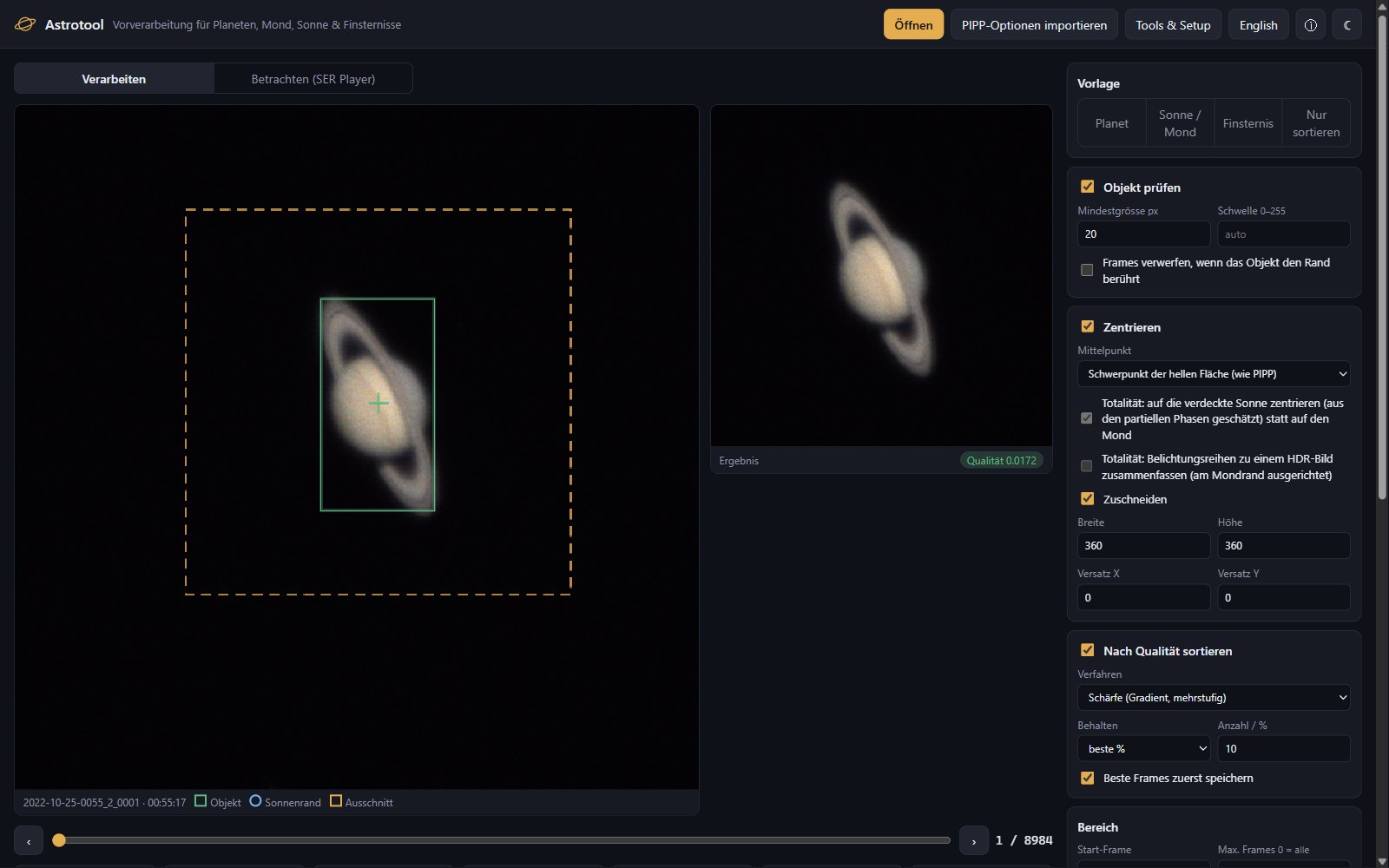
Astrotool with the planet preset: Saturn detected and centred, sorted by sharpness, best 10 percent of 8984 frames
Planet preset on a Saturn video recording: detect the object, centre, crop and keep the sharpest 10 % of 8984 frames.

Totality 2024: raw images Tammara King / NASA Eclipse Megamovie 2024 (eclipsemegamovie.org), processed with Astrotool.

Saturn test recording of 25 Oct 2022: Andrew Burwell / Mac Observatory (macobservatory.com), provided for app evaluation. Not my recording.
Platform · Automation · Operations

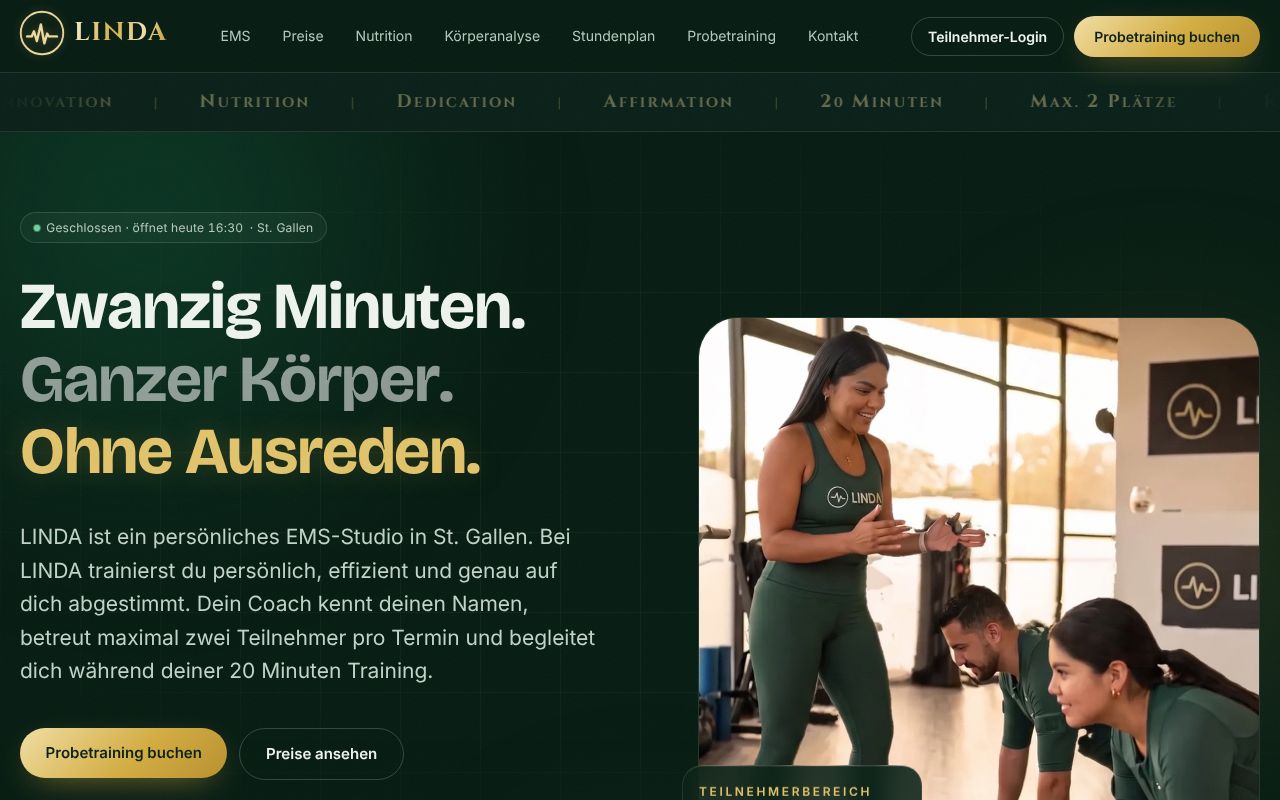
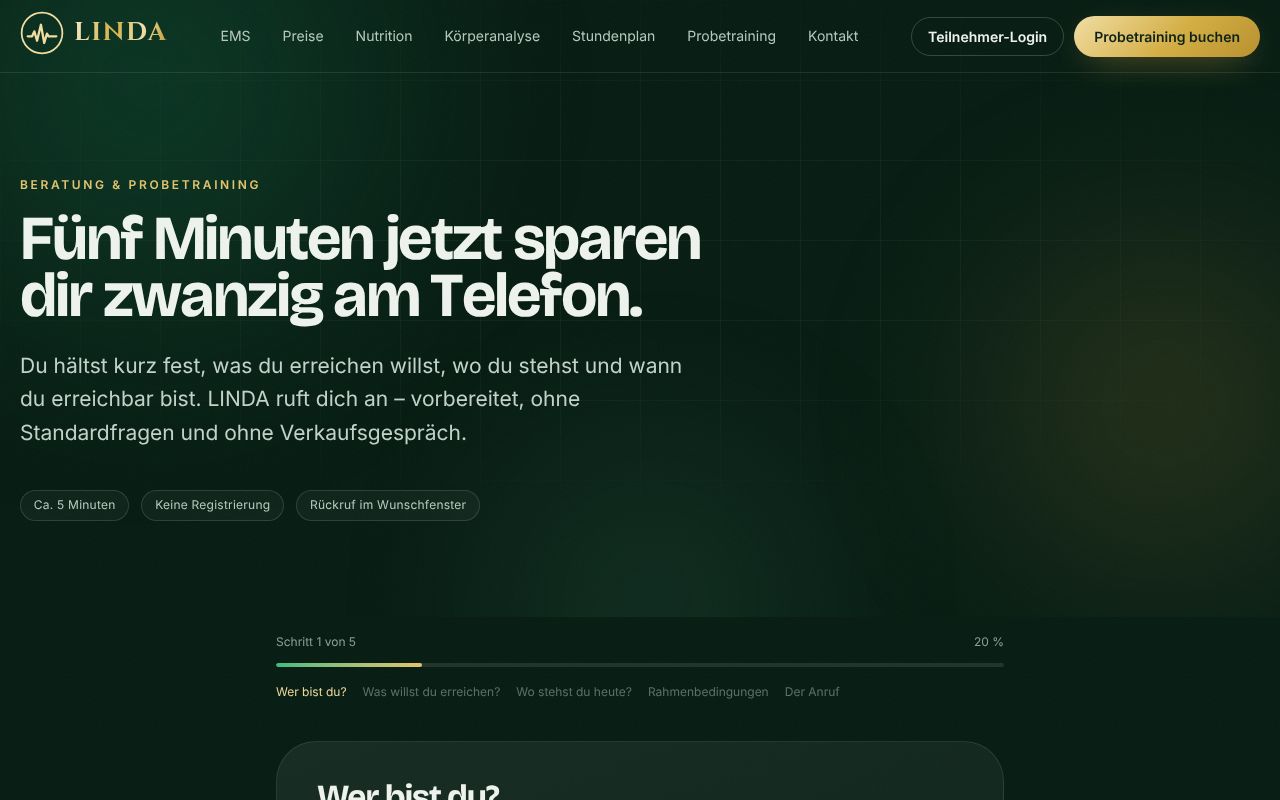
LINDA: a studio platform from zero to production

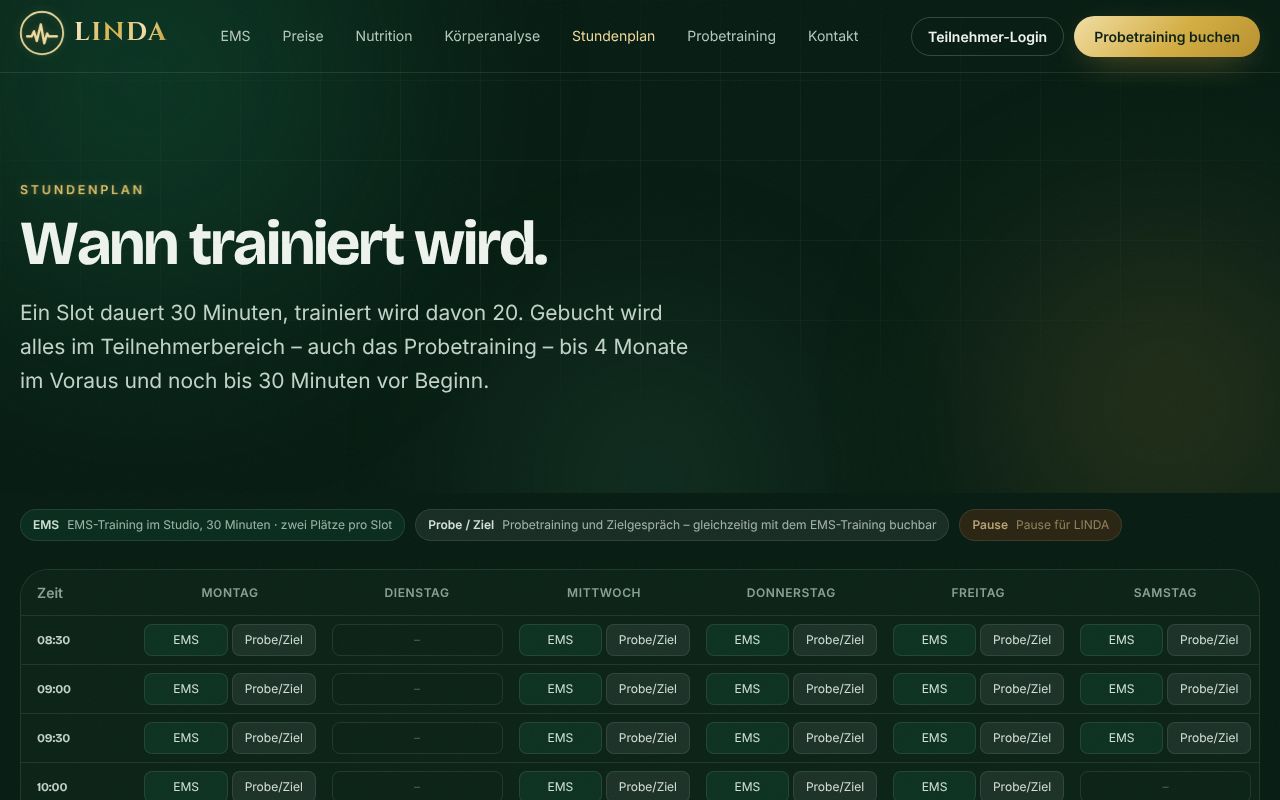
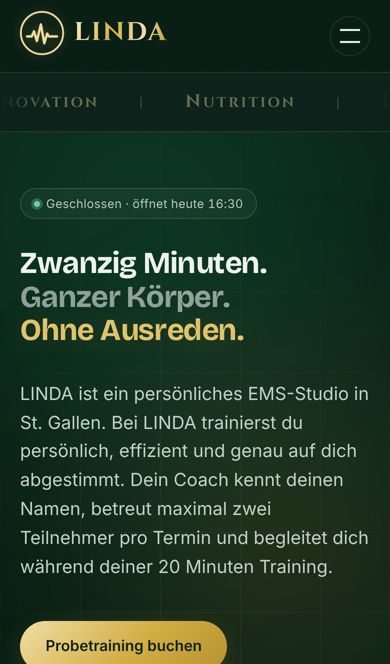
Within the hands-on part of my AI Automation Manager training, I took the entire digital platform for a new EMS studio in St. Gallen into production. My role: project manager and application owner. Target date of 16 September met, studio opened on 1 October 2026.

  • Website with around 15 pages, accessible, mobile-first
  • Separate dev and prod servers, automatic updates with rollback
  • Enquiries evaluated by an AI agent in n8n, daily self-check with alerting (healthchecks.io)
  • Booking system SportsNow with 124 course series, data protection under Swiss FADP and GDPR
  • Lesson learned: a configuration error briefly took the form offline. The daily self-check reported it the next morning, and it was fixed the same morning.

linda.messmer.studio ↗

Claude · Next.js · Tailwind · Hetzner · Coolify · Cloudflare · n8n · Google Workspace

Project steering · Business launch · AI-assisted review

Prequel: launching the studio in seven weeks

Seven weeks from the first analysis to opening day, one month earlier than planned.

Before the platform came the launch of the studio itself. As project manager I steered it: from planning the launch, finding the location and choosing the legal form to the business plan, liquidity planning and the documents for insurers and authorities.

Claude Opus 5 served as analysis partner and production tool, deliberately set up to challenge and cross-check. Core assumptions were overturned six times. Instead of patching, the whole document set was re-derived each time from a central financial model. Research relied on primary sources; anything that could not be verified was marked as such.

What it included

  • Finding the location and choosing the legal form
  • Business plan and liquidity planning with scenarios, kept up to date
  • Checking quotes, invoices and contracts against our own assumptions, with discrepancies caught before signing
  • Sourcing the EMS suits from an international premium manufacturer: coordination in English, samples and prototypes, then the order

The result: 15 versioned documents and an automatically compiled binder.

A language model is valuable when you make it work against you: invoices against requests, contracts against assumptions, presentations against their own arithmetic.

Claude Opus 5 · Markdown · pandoc · pypdf · openpyxl

Agent orchestration · 3D · Video

From terrain model to real drone flight

An agent (Codex) drove several tools through three MCP connections: a mountain peak was modelled in Blender from swisstopo elevation data and textured with my own drone footage. The virtual fly-around blends seamlessly into the real flight, with a soundtrack mixed in.

Codex · MCP · Blender · swisstopo · DJI

Agent orchestration · Blender · Geodata

Buildings in 3D from public sources only

An AI agent controlled Blender through its Python interface and reconstructed two existing buildings as walkable 3D models, with a camera path from the outside into the interior.

  • Meglisalp mountain inn (Alpstein): model from publicly accessible photos, landscape from swisstopo elevation data and aerial imagery. 60-second fly-around, entrance, two dining rooms.
  • Schankweiler Klause (Eifel): chapel from its building description, Wikipedia and photos from Wikimedia Commons, with a furnished interior.
  • Every step reproducible as a script, with verification logs for model and video.

Illustrative reconstructions, not surveys, not commissioned by the owners.

Blender (Python) · swisstopo · AI agent

Walkthrough Meglisalp mountain inn (60 s, no sound)
Walkthrough Schankweiler Klause (62 s, no sound)
AI matching · Open government data · Python

Job matching portal for the Swiss market

My fourth use case in the training became a working prototype I used for my own job search for a while.

  • Upload CV, references and certificates as PDF, scanned ones too (OCR). The profile is built automatically, no retyping.
  • Live search via the open Job-Room API (SECO), with several queries derived from the CV.
  • Every job gets a match score with reasons per criterion: content, experience, languages, canton, level, education.
  • Access on request only, with a company email address and approval by an administrator.

Python · SQLite · pdf.js · Tesseract.js · Job-Room API · Docker/Coolify

Android · Google AI Studio · Codex

Apps you couldn't buy

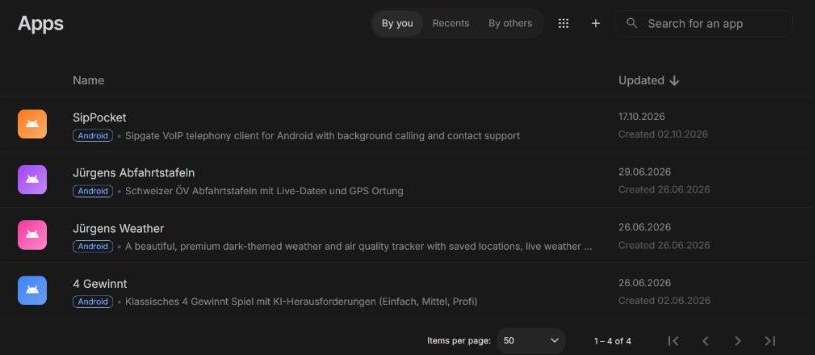
When nothing suitable exists for a specific need, I have it built. Three Android apps, developed with Google AI Studio and Codex, in daily use.

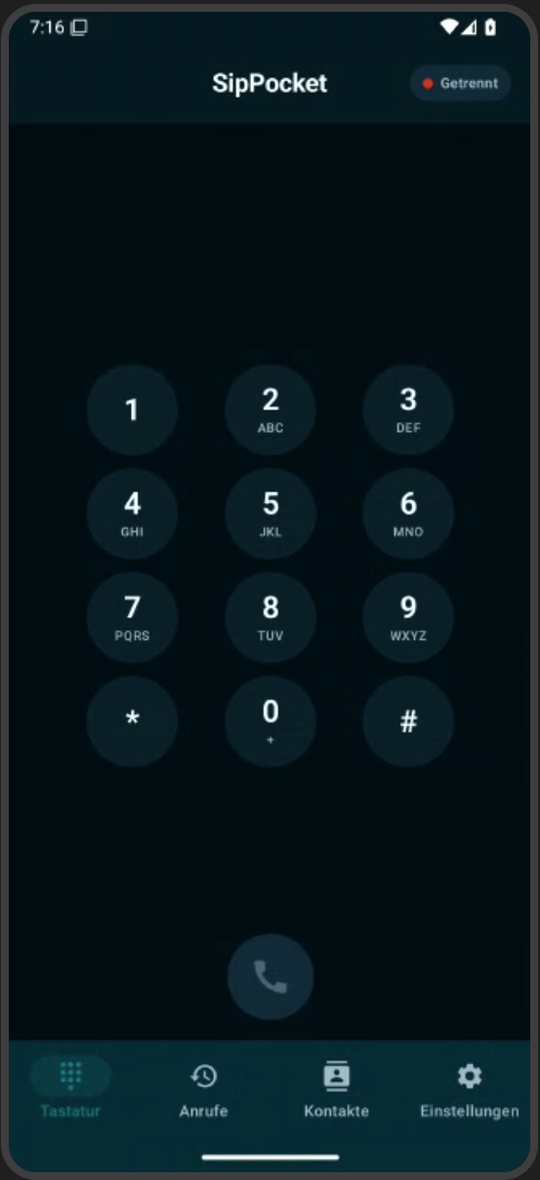
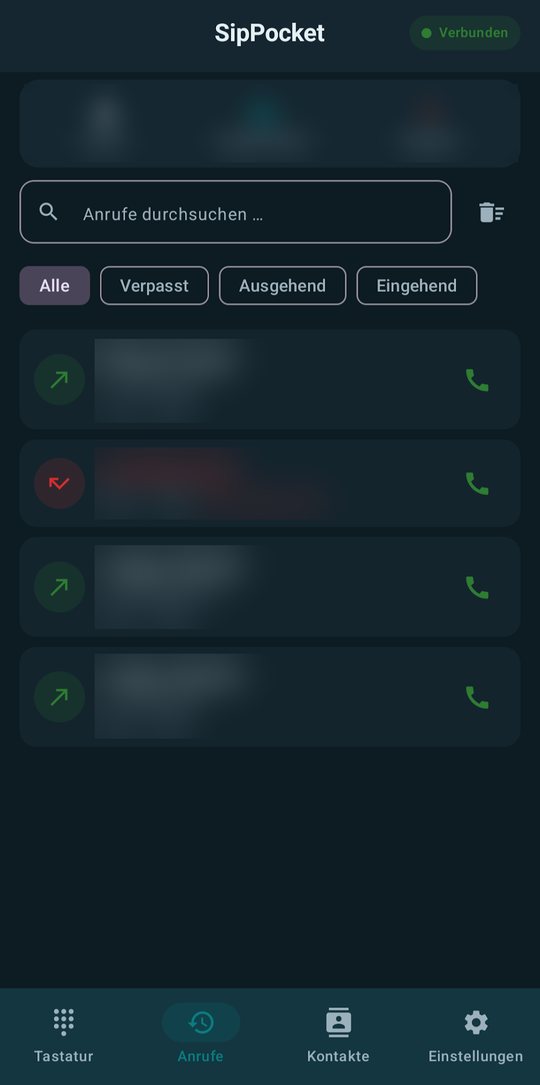
  • SIP calling for Sipgate: the provider had discontinued its app. Mine calls Germany via a German local number at local rates, used every week.
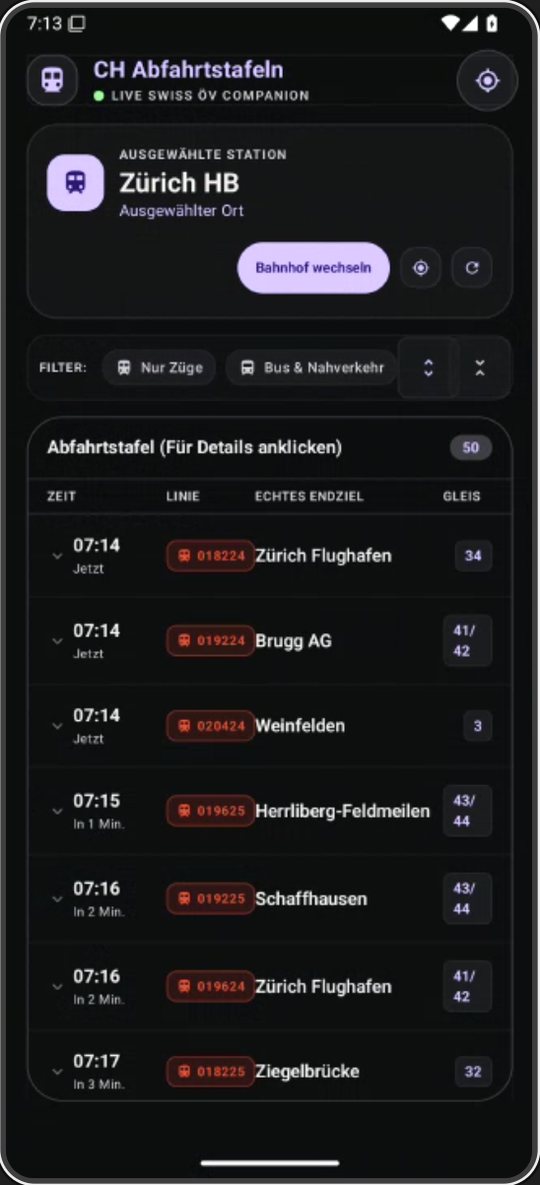
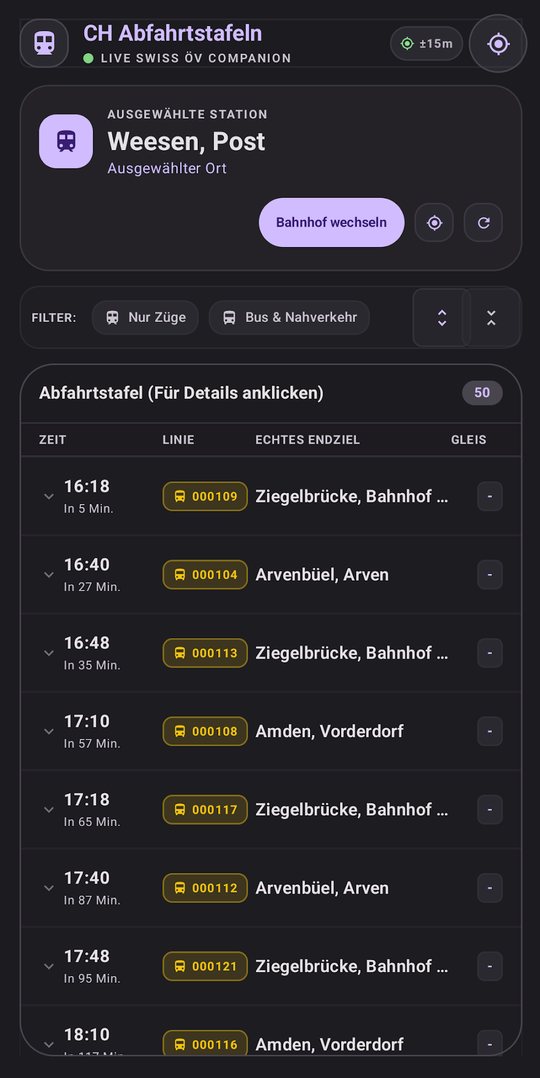
  • Jürgen's departure boards: live departures for every Swiss stop, filters for trains or bus, tram and boat, delays, platform and all following stops.
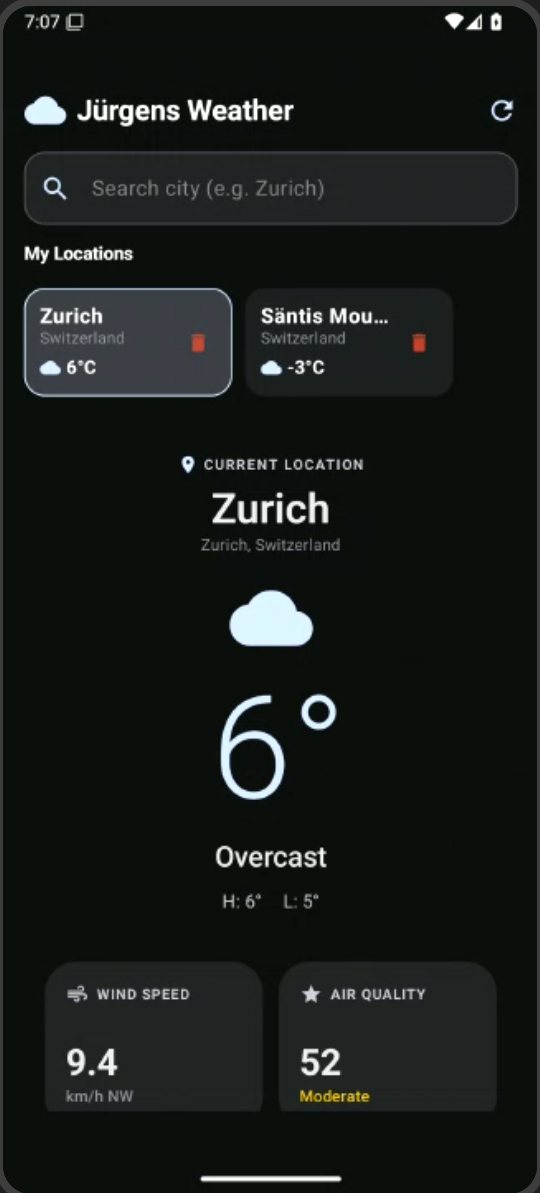
  • Weather worldwide: my own weather app for locations worldwide, free and ad-free, built on publicly available data. Built with Google AI Studio.

Android · Google AI Studio · Codex · SIP

Proof: the apps run
Jürgen's Weather in the Android emulator: Zurich, 6 degrees, wind and air qualityWeather · emulator
Departure boards in the Android emulator with live departures from Zurich HBDepartures · emulator
Departure boards live on the phone with the next bus departuresDepartures · live
SipPocket in the Android emulator: dial padSipPocket · emulator
SipPocket live on the phone: connected, call list blurredSipPocket · live
Captures from the Android emulator in Google AI Studio and, marked green, from everyday use on my phone. Call data is blurred; most calls ran on a second device.
Overview in Google AI Studio: the Android apps SipPocket, Jürgen's departure boards, Jürgen's Weather and Connect Four
The apps in Google AI Studio, plus a game from my training (Connect Four)

Demos and training

Live demo

Schulz Heiztechnik

Website of a fictitious sample company with contact form, database and notification. View ↗

Prototype

ITSM tool

Built with Google AI Studio, modelled on Jira: incident, change, service request and more. Incident management ran reliably; change and request were not yet release-ready. Other course projects took priority.

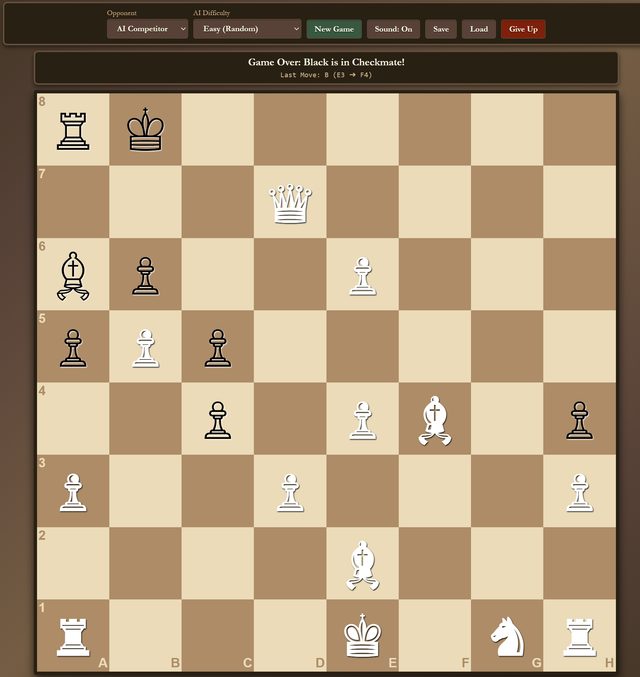
Browser chess game against a computer opponent, built with Gemini
Agentic coding

More exercises

Games, departure boards, website prototypes: built and tested during my training with Claude Code, Codex and Gemini. Pictured: one of the first course exercises, a browser chess game built with Gemini.

n8n agents

Automations

Mail assistant, invoice approval, RAG with permissions: built and tested during my training.

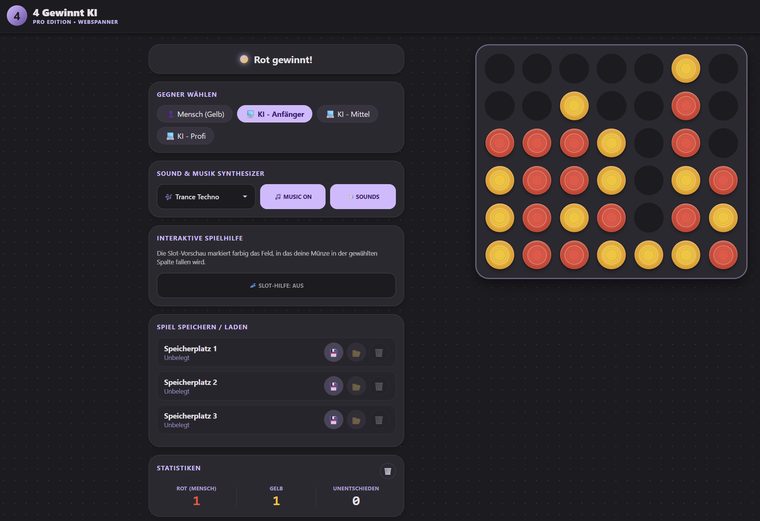
Connect Four in the browser with board, opponent choice, save slots and statistics
Course exercise

Connect Four against the AI

Web game from the first chapter of my training, developed over several versions: AI opponents at three levels, music synthesizer, save slots and statistics. Later also as an Android app in Google AI Studio.

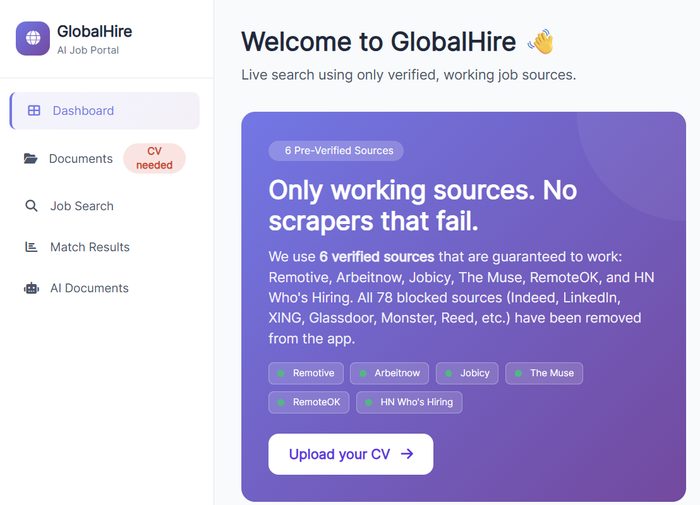
Home page of the job portal prototype «GlobalHire» generated with Qwen
Model comparison

Job portal with Qwen

The same use case as the job matching portal, built as a test with the Qwen model. I stopped the experiment early.

What this solves

Typical tasks in companies where the same building blocks apply. Each card names the project the approach comes from.

Replacing abandoned software

A program still runs, but the vendor no longer delivers. An agent analyses features and file formats; then it is rebuilt and developed further.

Approach from: Astrotool

Simple front ends for ERP and SAP

A lean web interface for recurring tasks that reads and writes back through the existing interfaces. No double entry.

Approach from: LINDA, interfaces

Preparing requests and documents

Emails, forms and PDFs are read and pre-sorted. AI drafts, calculations run in tested code, a person approves.

Approach from: LINDA, n8n

Leaner service management

Many similar service requests become one form with branches. Training becomes short learning modules instead of recurring live sessions.

Approach from: ITSM practice, ITSM prototype

Chasing long-running tickets

Every week, all tickets and tasks of the past twelve months are exported as CSV, merged by an AI, and every owner whose ticket has been idle for four weeks gets a reminder. Without a reply it escalates in stages: after one week to the team lead, after two to the department head, after four to the division head.

Approach from: Service request and problem management with Copilot

Bringing AI into teams

With the tools already in place, such as Microsoft Copilot or Claude: the team's concrete tasks, a prompt library and clear rules for data.

Approach from: Copilot rollout in an ITSM team

Operations that report themselves

Automatic checks report when something fails to happen: a form, a backup, an update. Problems surface before customers notice.

Approach from: LINDA, healthchecks

How I work

AI writes fast. For the result to hold up in production, the same rules apply as in any professional IT operation.

  1. Requirements

    Goal, scope and acceptance criteria in writing before anything is built.

  2. Dev first

    Every change runs on a test environment first.

  3. Approval

    Production only after explicit approval, no credentials in the chat.

  4. Reversible

    Git, snapshots and switches: every change can be rolled back.

About

I come from IT operations: Atos, Aveniq, more than 25 years of service management, ITIL, ServiceNow, networks and servers. I have worked with generative AI since 2023 and completed my AI Automation Manager training in 2026.

What interests me is what happens after go-live: solutions that run securely, are monitored and can be maintained.

AI Suisse – Jürgen Schmitz